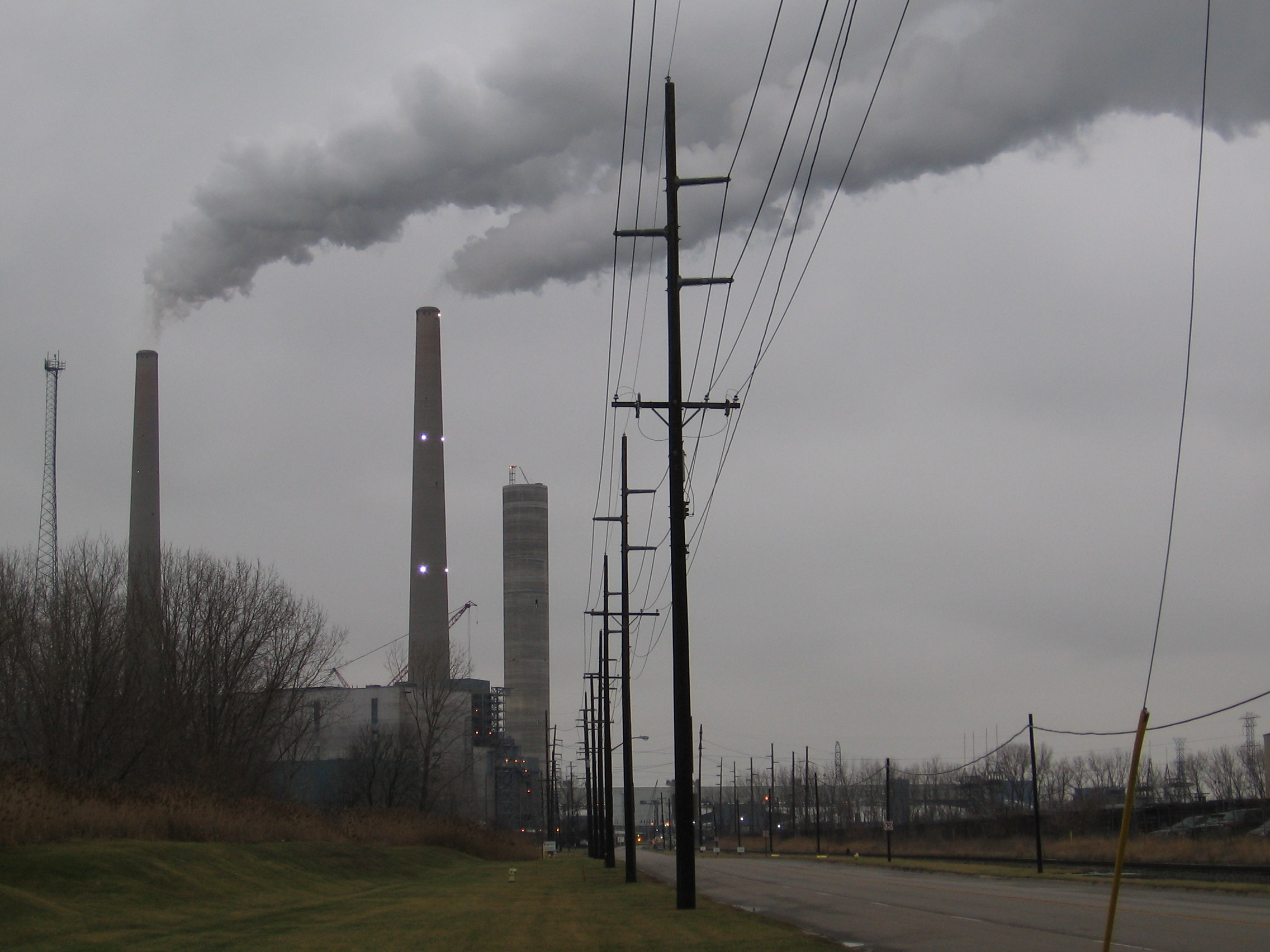
MONROE, MI — In a landmark move for Michigan’s energy landscape, DTE Energy has announced plans to shut down the Monroe Power Plant, one of the largest coal-fired facilities in the United States and a defining feature of Monroe County’s skyline for more than 50 years.
The closure, long anticipated as utilities nationwide shift toward cleaner sources of power, marks a major turning point for both the region and the state’s energy future.
The plant, located along the Lake Erie shoreline, has operated since the early 1970s and is capable of generating more than 3,000 megawatts of electricity—enough to power millions of homes. For decades, it has stood among the largest coal plants in the country.
DTE confirmed that the complete shutdown will occur by 2032, with the first phases of decommissioning beginning earlier as the company accelerates its clean-energy transition. The Monroe facility has been a key source of baseload power, but also one of Michigan’s heaviest carbon emitters.
Economic Impact and Workforce Transition
The announcement raises significant questions for Monroe County workers and local tax bases. Hundreds of employees currently work at the plant, and its operations contribute millions to local schools and government services.
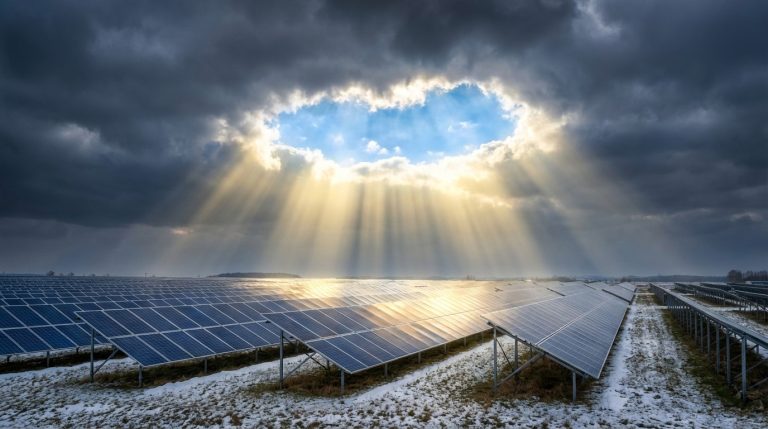
DTE says it plans to support employees through retraining programs and transition opportunities within the company as it expands investment in renewable energy—including solar fields, wind farms, and battery storage.
Local officials say they are preparing for the long-term economic effects.
“Losing a facility of this size will have ripple effects throughout our community,” one county official said. “But this also creates an opportunity to plan for new industry and redevelopment on a major piece of shoreline property.”
Environmental Shift for Monroe County
Environmental groups have long targeted the Monroe plant as a major pollution source. The closure aligns with statewide goals to reduce carbon emissions and meet aggressive clean-energy standards.
The shutdown is expected to significantly reduce Michigan’s overall carbon footprint. The plant has historically been one of the top emitters in the Midwest for sulfur dioxide, nitrogen oxides, and mercury—substances linked to respiratory issues and environmental degradation.
Local residents have expressed mixed reactions. Some welcome the cleaner air; others worry about job losses and the economic void the plant may leave behind.
What Comes Next for the Site?
DTE has not yet finalized plans for the 1,000-acre facility once the plant is fully decommissioned. Potential future uses include:
Industrial redevelopment
Renewable-energy infrastructure
Environmental restoration
Mixed commercial uses
Redevelopment would require major cleanup efforts, which could take years depending on federal and state environmental guidelines.
Statewide Energy Future
The coal plant’s closure is part of DTE’s broader effort to shift toward carbon-free power generation. The utility has committed to dramatically expanding solar capacity and investing in grid modernization across Southeast Michigan.
Michigan’s push toward clean energy mirrors national trends, with coal plants shutting down at an accelerated pace.
A Historic Turning Point
For many Monroe residents, the plant has been both an economic anchor and a familiar landmark. Its four massive smokestacks—visible for miles—have become part of the city’s identity.
As DTE begins winding down operations, Monroe stands at the crossroads of history and future energy innovation.
The closure represents the end of an era—but also the beginning of a new chapter for the community, one that will be shaped by how leaders, residents, and the utility move forward in the years ahead.