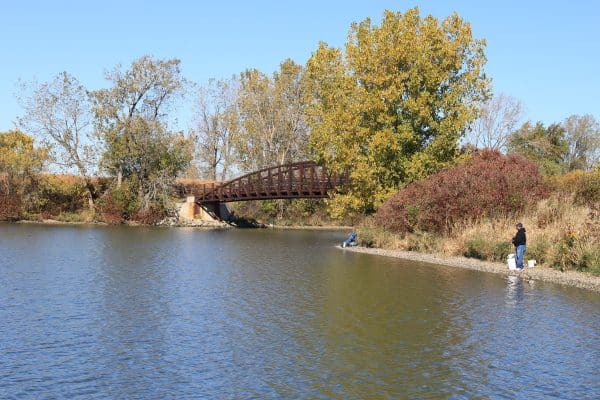
MONROE, MI — Sterling State Park, located along the western shoreline of Lake Erie in Monroe County, is one of Michigan’s most visited outdoor destinations. Known for its sandy beaches, long trails, wetlands, and fishing spots, the park welcomes hundreds of thousands of people each year. Yet many visitors don’t know the long and complicated history behind how the park came to be — a story that includes industry, environmental restoration, community activism, and decades of transformation.
Early Beginnings: Michigan Looks to Lake Erie
The idea for a state park on Lake Erie dates back to the early 20th century. Michigan had dozens of state parks on inland lakes, but none along the shoreline of its southeastern border. Local leaders and residents pushed the state to create a public space where families could swim, picnic, and enjoy the lake.
In the 1920s and 1930s, small private resorts and cottages dotted the area where the park sits today. These lakefront properties made it difficult for the state to secure land, but the idea never fully disappeared. By the 1950s, pressure grew as more people demanded public access to the lake.
Land Acquisition and Industrial Challenges
Sterling State Park officially opened in 1969, but getting to that point was far from simple. Much of the land along the shoreline had been used for industrial purposes, including power generation, manufacturing, and quarrying. The state had to work around these existing operations and buy available land where possible.
One of the biggest challenges was that parts of the shoreline had been altered, filled in, or used for waste from nearby industries. The natural habitat was heavily damaged. Instead of a classic sandy beach, the area had polluted wetlands, disturbed soil, and few fish or wildlife populations.
Still, Michigan’s Department of Natural Resources (DNR) pushed forward. The first phase of the park included limited beach access, basic facilities, and open space for fishing and walking. It was enough to begin building public interest.
Environmental Concerns Bring Change
By the late 1970s and 1980s, Lake Erie itself was facing major pollution problems. The lake had been affected by fertilizer runoff, industrial waste, and invasive species. Sterling State Park, sitting on the western side of the lake, felt these issues directly.
Local residents, environmental groups, and the DNR started working together to restore the shoreline. Their goal was to rebuild natural wetlands, improve water quality, and create healthier ecosystems for fish and wildlife. This cooperation would eventually lead to one of the largest environmental restoration projects on Lake Erie.
A Massive Restoration Project
Beginning in the 1990s and continuing well into the early 2000s, Sterling State Park underwent a historic transformation. The project, worth tens of millions of dollars, included:
Restoring over 1,000 acres of coastal wetlands
Rebuilding fish habitats and spawning areas
Removing contaminated soil
Reshaping the shoreline into a natural curve
Adding trails, boardwalks, and observation platforms
Creating new ponds and wildlife areas
This restoration was the most extensive in the history of Michigan’s state park system. The goal was not just to improve recreation, but to bring back the natural environment that once existed along Lake Erie.
The effort paid off. Birds, fish, turtles, and native plants returned to the area. Fishing improved dramatically. Water quality got better, and the park began attracting more visitors than ever before.
Modern-Day Sterling State Park
Today, Sterling State Park is the only Michigan state park on Lake Erie and one of the busiest parks in the southeastern part of the state. It covers 1,300 acres and offers a wide range of outdoor activities, including:
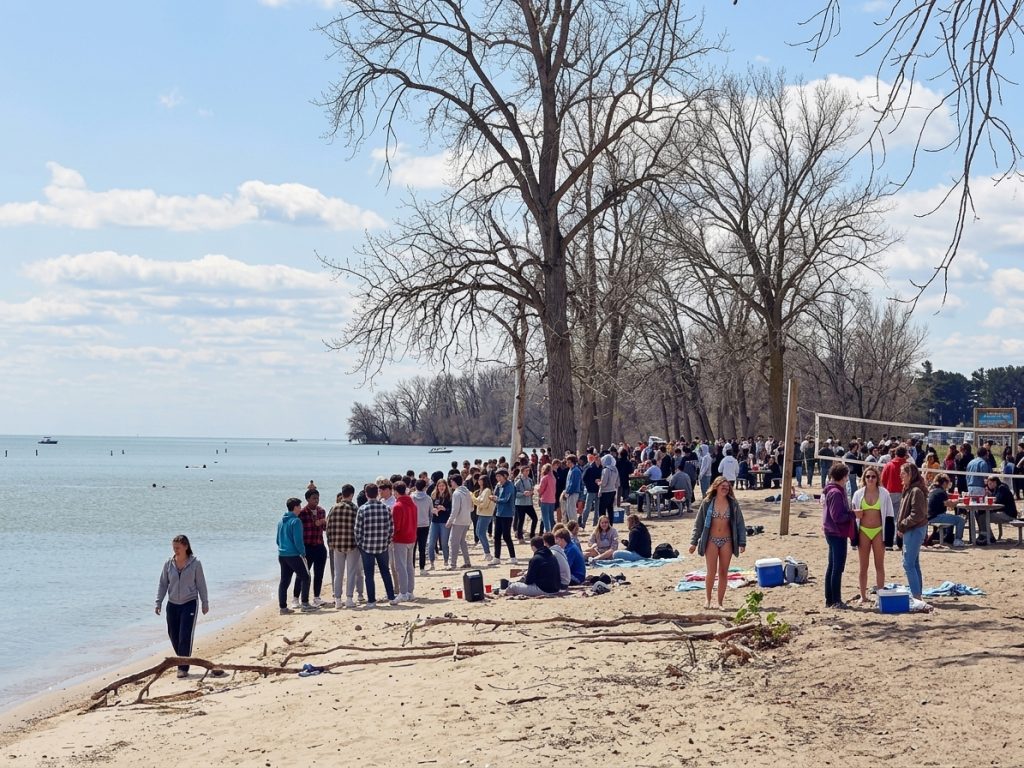
A large public swimming beach
Multiple fishing lagoons
More than seven miles of hiking and biking trails
A full campground with modern facilities
Birdwatching areas and restored wetlands
Kayaking and small-boat access
Picnic areas and pavilions
The park attracts families from Monroe County, Metro Detroit, Toledo, and beyond. Its campground often fills up during summer weekends, and the beach is a major draw on hot days.
Connection to Local History
The park is also intertwined with Monroe’s deeper history. It sits near the site of the Battle of the River Raisin from the War of 1812 and is close to the historic Monroe Lighthouse. Its shoreline has seen Native American communities, European settlers, military movements, and industrial expansion.
Local residents often talk about how the area has changed over the decades — from polluted wetlands to a thriving recreation area. Many credit community involvement, environmental leadership, and long-term planning for making the park what it is today.
Economic Impact
Sterling State Park plays a major role in the local economy. Visitors spend money at restaurants, gas stations, hotels, bait shops, and Monroe’s downtown businesses. Special events, fishing tournaments, and beach gatherings also bring extra activity to the area.
The campground, in particular, draws travelers from across the region who stay multiple nights and explore the community. The park’s improvements have helped Monroe County become a stronger destination for outdoor tourism.
Looking Ahead
The DNR continues to maintain and update the park as more people use it each year. Future plans often include improving trails, protecting the wetlands, and expanding recreational features while keeping the natural environment healthy.
As Sterling State Park moves forward, it remains a shining example of what can happen when government agencies, environmental experts, and local residents work together.
A Park with a Purpose
From its humble beginnings to its major restoration, Sterling State Park has come a long way. What was once a damaged industrial shoreline has become a vibrant public space where families swim, camp, fish, and explore nature.
Today, the park stands as a reminder of Monroe County’s strong connection to Lake Erie — and the community’s ongoing dedication to protecting one of Michigan’s most important natural resources.