DETROIT, MI — For over a 125 seasons, the Detroit Tigers have operated under a bit of a branding paradox. They carry the name of one of nature’s most ferocious and visually striking predators, yet they have spent the years dressed primarily like very organized, very polite tax attorneys. That era of “business-casual baseball” officially ended this week.
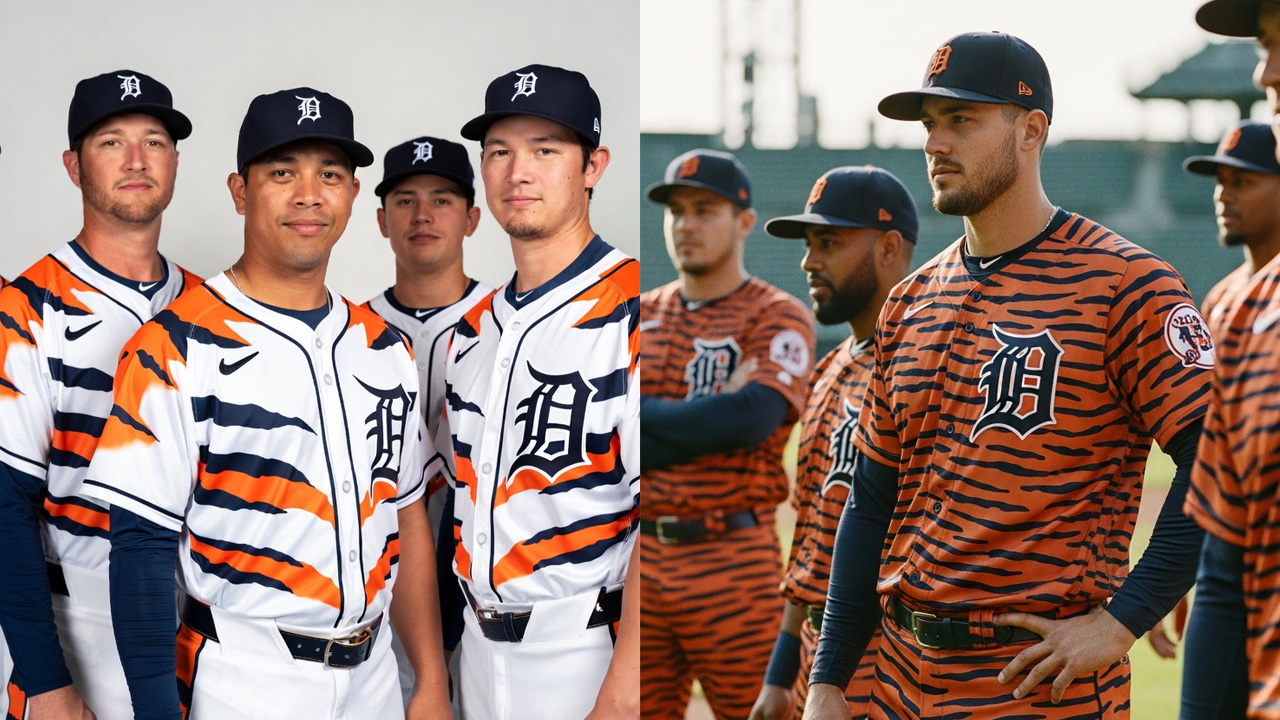
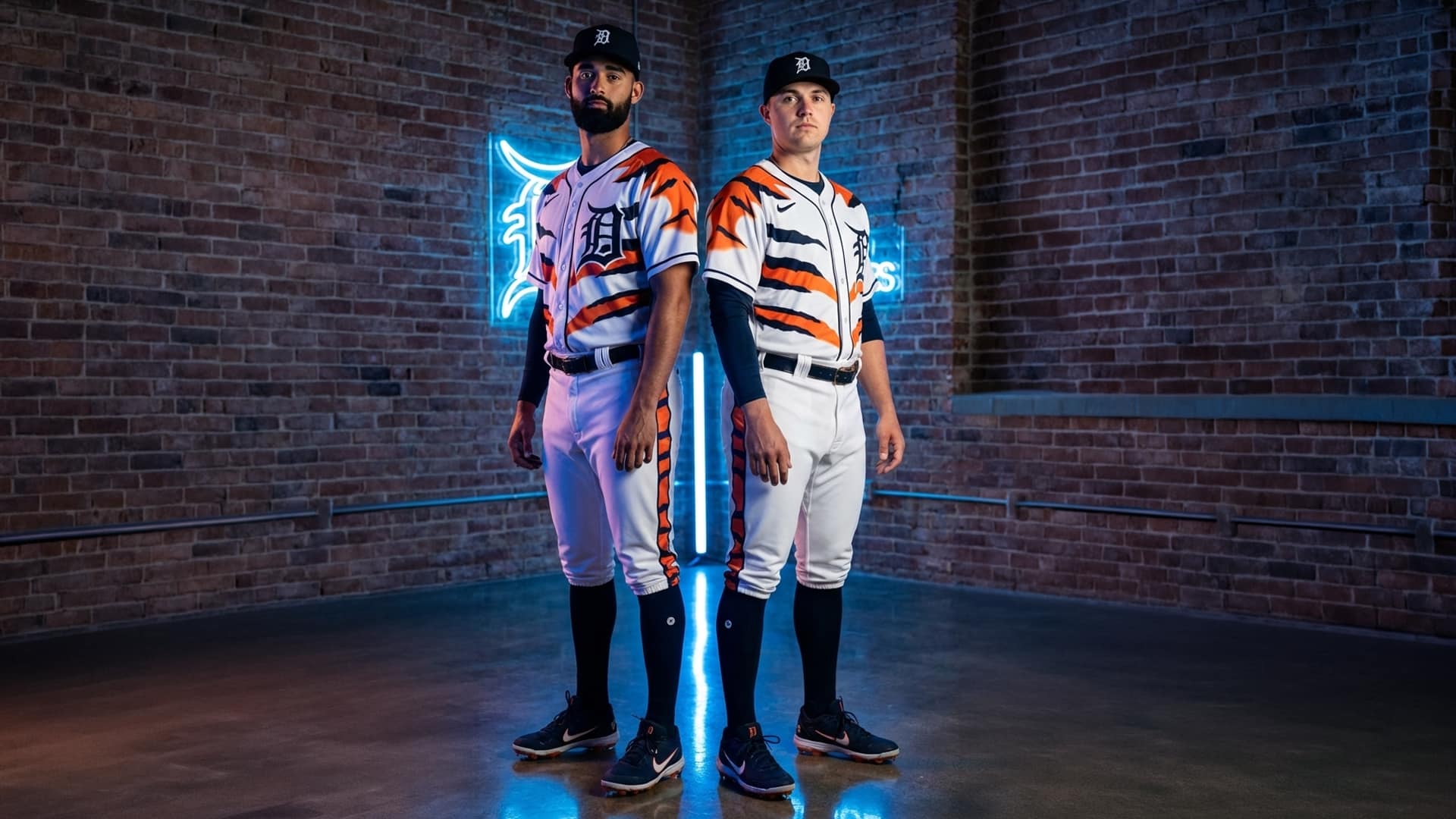
In a move that has sent the sports world into a tailspin of confusion and literal eye-strain, the Tigers revealed new a uniforms for the 2026 season. The franchise is done suggesting its name; they are finally living it. Here comes a full tiger-stripe pattern—uneven, asymmetrical, and unapologetically loud.
YOU MIGHT LIKE


The Home “Apex White”: A New Baseline for Chaos
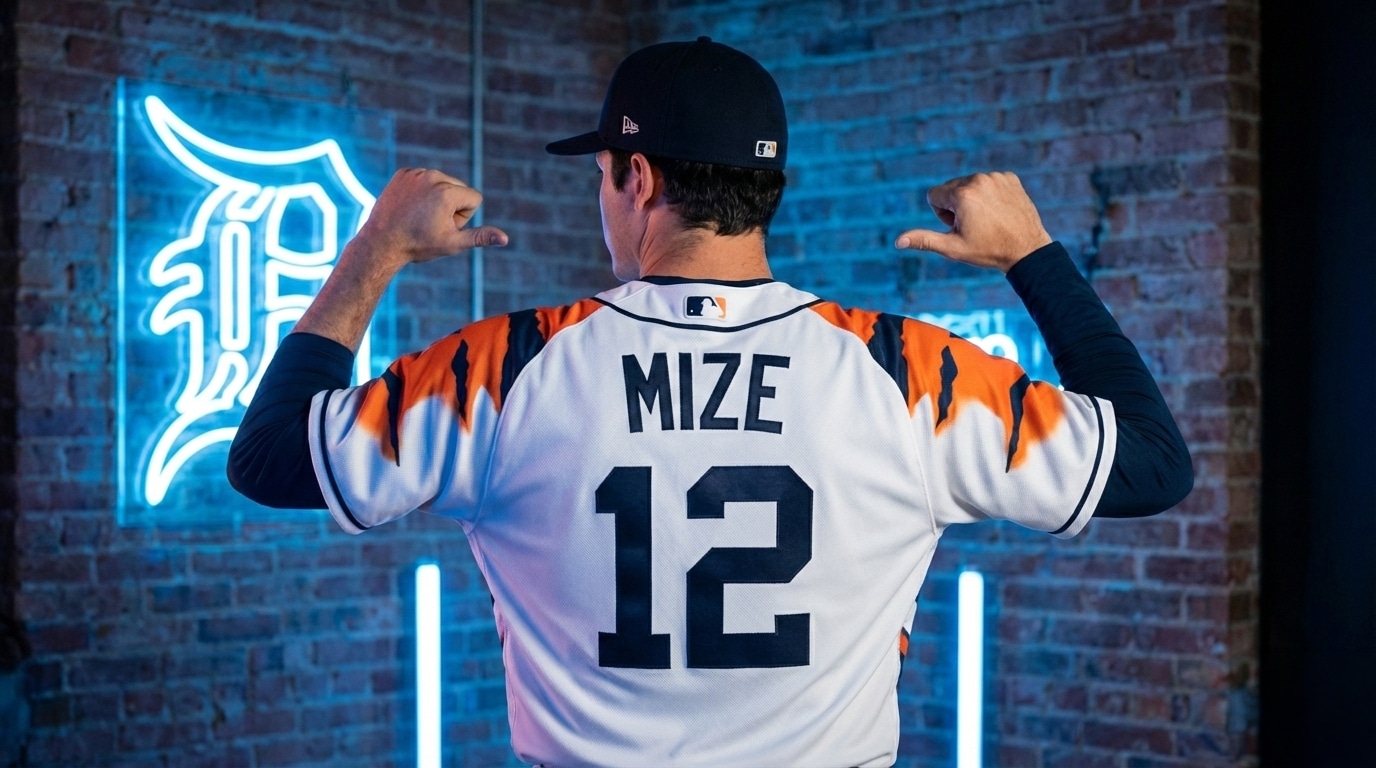
The home jersey, officially dubbed the “Home Apex,” serves as the centerpiece of this aesthetic revolution. Featuring a stark white base with flowing, organic navy and orange stripes, the look is designed to feel less like a sports uniform and more like a biological imperative.
According to the team, the redesign represents a bold evolution—one that prioritizes identity over tradition.
“We realized we’ve been called the Tigers for over a century, yet we’ve dressed like we were afraid to stand out,” said Evan Calder, the team’s Vice President of Brand Direction. “This uniform answers a simple question: what if we actually looked like Tigers?”.
The Old English “D” remains on the chest, though it now appears surrounded—some might say challenged—by stripes that seem to move even when the player is standing still.
“The logo isn’t being overwhelmed,” Calder explained. “It’s being tested. Just like in the wild”.
More News




The Road “Orange Predator”: The End of “Away Gray”
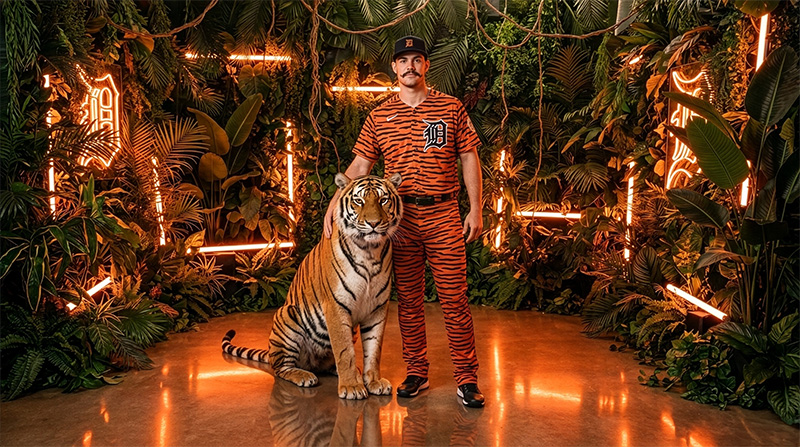
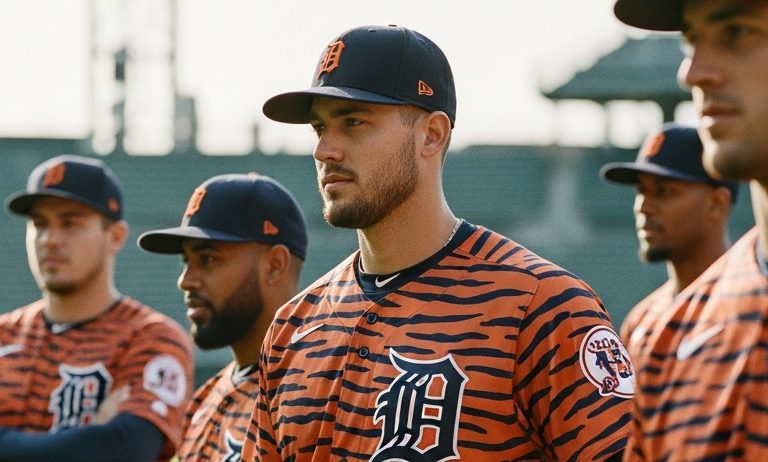
While the home kit is a shock to the system, the newly revealed “Road Prowler”—the orange away jersey—is a full-blown sensory assault. In a radical departure from the “Away Gray” tradition, the Tigers have opted for a deep, saturated orange base completely covered in dense navy tiger stripes.
This isn’t just a color swap; it’s a tactical choice. Nike representatives, who collaborated on the design for over two years, emphasized that the orange-on-navy palette was tested under every conceivable lighting condition.
“Tigers are not subtle. They do not whisper,” said Lena Morales, a senior design strategist at Nike. “Perfectly even stripes felt fake. Tigers do dominance, and on the road, dominance is the only goal”.
The organization believes the “Orange Prowler” will provide a psychological edge in hostile environments. By abandoning the humility of gray for the vibrancy of the prowling predator, the Tigers are signaling that they aren’t just visiting an opposing stadium—they are taking it over.
The “Sublimation” Science: More Than Just Fabric
To justify the “Apex” branding, the team has leaned into the technical side of the textile. The uniforms utilize a proprietary “Dri-FIT Predator Mesh” that allows the stripes to remain vibrant even under the sweat and dirt of a 162-game schedule.
Notably, the Tigers’ traditional navy cap remains unchanged. Team officials described this as a “necessary grounding element,” acknowledging that earlier concepts involving striped caps were abandoned after internal reviewers described them as “visually exhausting”.
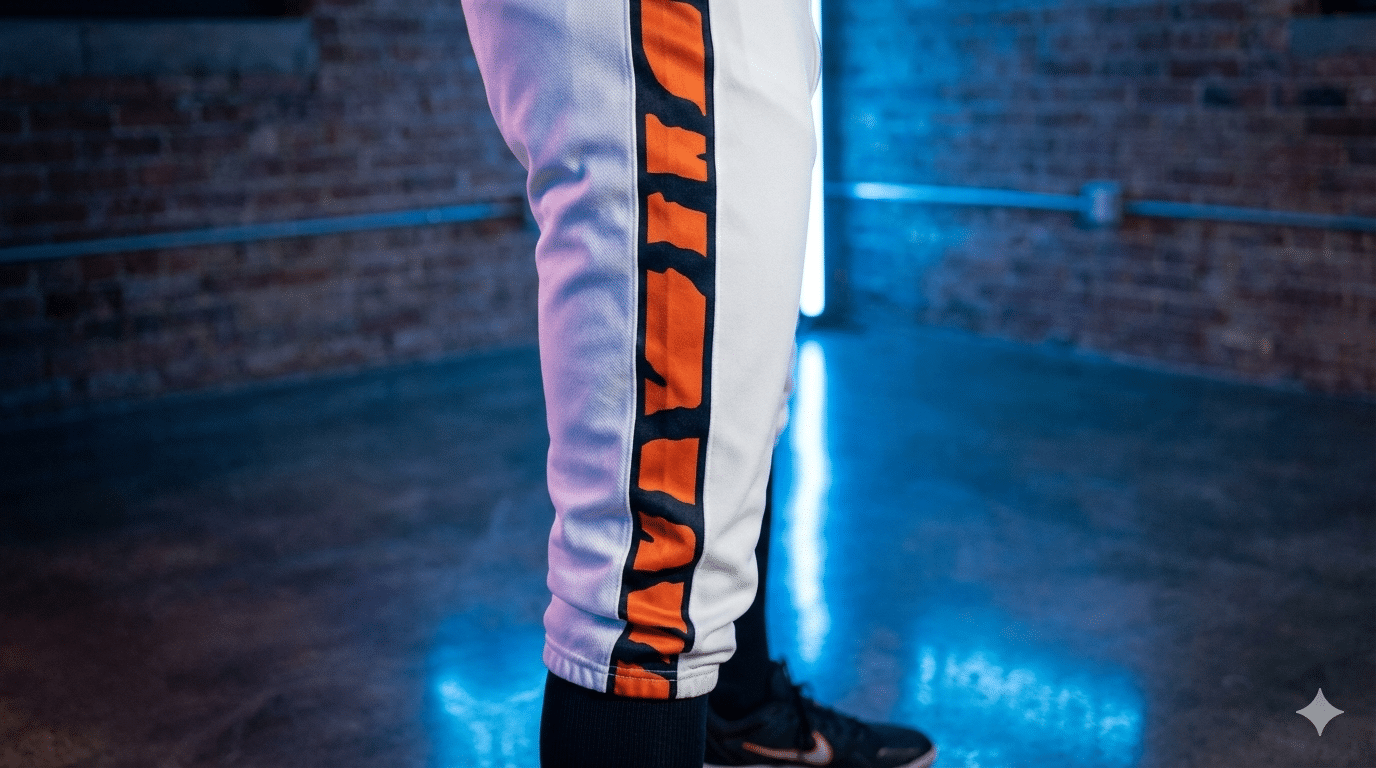
The pants for both sets continue the pattern, completing a full-body look that leaves little room for visual rest. Early mock-ups prompted internal debates over whether belts were still necessary or if they simply added to the chaos; in the end, the belts stayed to provide a single horizontal line of sanity.
The “Dad Test”: Reactions from the 313
As with any radical change in a city defined by its grit and tradition, the fan reaction was instantaneous and polarized. Within hours of the announcement, the hashtag #StripesInTheD began trending, with opinions split down the middle of Woodward Avenue.
“I don’t know how I feel yet,” said Frank Deluca, a season-ticket holder from Wyandotte. “But I respect it. This uniform doesn’t care if I’m ready. It’s already here”.
Others were more skeptical, particularly the “old guard” of Detroit baseball fans. “I showed it to my dad,” said Rachel Kim of Royal Oak. “He stared at it for 20 seconds and said, ‘Well… that’s something.’ Which is the most emotion I’ve seen from him since the ’84 Series”.
Despite the skepticism, merchandise sales reportedly surged within hours. Several fans admitted they bought jerseys out of curiosity alone, wanting a piece of what they believe is a historic—or at least historic-looking—moment in Detroit sports.
Competitive Psychology: Weaponizing the Aesthetic
The Tigers’ leadership is betting that these uniforms will align with a broader organizational mindset: confidence, fearlessness, and a willingness to take risks. One veteran player described the uniforms as “surprisingly comfortable,” adding that “after about five minutes, you stop noticing the stripes and just feel fast”.
Another player joked that the look might help on the basepaths. “If the third baseman loses sight of me for half a second because I blend into the dirt or the orange sunset, that’s a win for us”.
Nike representatives pushed back against concerns that the uniforms could be distracting to the game itself. “Baseball has survived mustaches, stirrup socks, and the late-90s vest era,” Morales noted. “It can survive stripes”.
Conclusion: A City Ready to Pounce
The Tigers plan to debut the uniforms on Opening Day 2026 at Comerica Park. Whether the design is eventually viewed as a stroke of genius or a frantic cry for attention, it has achieved its primary goal: no one is ignoring the Detroit Tigers anymore.
In a sport defined by tradition, the Tigers have made a clear statement. They are done playing it safe. They are done being the “polite accountants” of the American League Central. In 2026, when you see a mass of orange and navy stripes rounding third base, you won’t need to check the scoreboard to know who is playing.
“Most things that feel bold at first eventually feel normal,” Calder said. “Give it a season. Tigers don’t ask for permission”.